Top 10 Benefits of Using a Roll Lamination Machine?
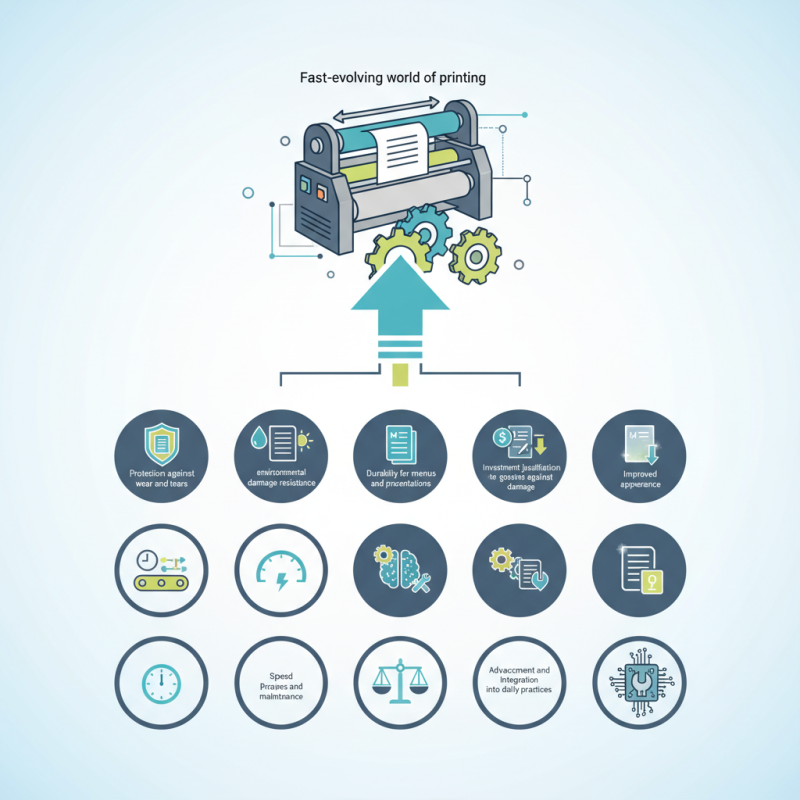
In the fast-evolving world of printing, the Roll Lamination Machine stands out as a game changer. According to industry expert John Smith, “A Roll Lamination Machine can dramatically enhance the durability and professionalism of printed materials.” This powerful tool offers numerous benefits for businesses looking to elevate their print quality.
One significant advantage is the protection it provides. When documents are laminated, they become resistant to wear, tears, and environmental damage. Whether it’s a menu for a restaurant or presentation materials, the Roll Lamination Machine ensures longevity. However, some might ask if the added cost justifies the benefits. It’s crucial to weigh the investment against potential damage to non-laminated materials.
This technology not only improves appearance but also streamlines the production process. Speed and efficiency are at the forefront of modern business operations. Yet, even with these machines, some users report learning curves and maintenance challenges. Balancing these aspects can lead to greater overall efficiency. The Roll Lamination Machine is not just a tool; it is an advancement that requires thoughtful integration into daily practices.
Benefits of Enhanced Durability through Roll Lamination
Roll lamination delivers solid benefits, especially in enhancing durability. When materials are laminated, they gain a layer of protection. This added layer resists wear and tear, making products last longer. For example, documents or photos are shielded from moisture and dirt. The lamination process creates tough barriers that everyday items often lack.
Laminating materials also offers nuanced advantages. It can soften the impact of hits or drops. This characteristic is particularly vital for packaging fragile items. However, not every material responds the same way to lamination. Some may not adhere well, leading to bubbles or separation. It’s essential to test materials before large-scale production. Experimentation can yield unexpected results and improve durability.
The aesthetic appeal of laminated products shouldn’t be overlooked. Glossy finishes can make colors pop and visuals more engaging. Yet, it’s crucial to remember that some users may prefer matte textures. Balancing durability with visual appeal poses challenges. Finding the right combination is key to satisfying various customer preferences.
Improved Aesthetics: Visual Appeal of Laminated Products
Laminated products stand out visually. Roll lamination enhances colors and textures. This process creates a glossy finish that attracts attention. According to a 2022 industry report, nearly 70% of consumers prefer laminated materials for their aesthetic appeal. The vibrant looks can make products feel more premium.
The visual appeal of laminated items extends beyond their brightness. They often look more polished and professional. A study showed that well-laminated brochures increased reader engagement by 50%. Customers notice details. A clean, shiny surface can imply quality. Manufacturers frequently invest in lamination to improve product perception.
Yet, challenges arise with lamination. It can also obscure important details. Some intricate designs may get lost under a thick layer. Aesthetics, while crucial, should not compromise functionality. It's essential to balance visual appeal with clarity. The goal is to create products that shine while still conveying messages effectively.
Cost-Effectiveness of Investment in Roll Lamination Machines
Investing in a roll lamination machine can yield significant cost savings for businesses. According to industry research, companies that adopt these machines can reduce operational costs by up to 30%. This reduction comes from decreased labor costs and improved efficiency. Roll lamination machines automate processes, allowing quicker production without compromising quality.
Despite initial investment challenges, such machines pay off over time. The average payback period for such a machine is between one to two years, based on usage and material savings. Data indicates that businesses report a 20% increase in production speed, which means a faster turnaround on projects.
Quality assurance is another benefit of roll lamination. When properly utilized, these machines minimize waste. This not only cuts costs but ensures more products are completed per run. Yet, a company must choose the right model. Incorrect choices can lead to inefficiencies. Investing in training and maintenance is crucial, as neglect can impact overall performance.
Versatility in Applications: Industries Benefiting from Roll Lamination
Roll lamination machines have become essential in various industries. Their versatility allows for a wide range of applications. In packaging, the food and beverage sector often utilizes this technology. A report from Packaging Strategies indicates that over 60% of food packaging is laminated to enhance durability and extend shelf life. This practice ensures products remain fresh longer and minimizes waste.
In the graphic design and printing industries, roll lamination provides a protective layer. According to a study by the Printing Industries of America, nearly 50% of print professionals use laminating processes to improve product longevity. This not only enhances visual appeal but also protects against moisture and tearing. However, there are concerns. Some users report inconsistent results with different materials. Finding the right combination for optimal output can be challenging.
The healthcare industry also benefits immensely. Medical documents often undergo lamination to ensure safety and hygiene. A survey conducted by Healthcare Packaging revealed that 45% of healthcare providers opt for laminated materials for critical documents. While this offers protection, it's vital to continually assess the environmental impact of laminating materials. Using eco-friendly options can be a consideration for improvement.
Streamlined Production Processes and Increased Efficiency
Using a roll lamination machine can significantly streamline production processes. These machines allow for efficient application of protective layers to various materials, reducing the time spent on finishing tasks. A report from the Laminating Industry Association indicates that companies utilizing advanced lamination technology can boost their output by up to 30%. This increase highlights the potential for ramping up production with minimal additional labor costs.
Moreover, roll lamination machines can improve material handling. The automation provided by these machines minimizes human error, which often leads to waste. Research shows that the automation of lamination processes can cut material waste by as much as 20%. However, it's essential to consider that initial setup and maintenance can still present challenges. Some businesses may struggle with training staff to effectively operate these machines, leading to temporary slowdowns in production.
Efficiency isn't just about speed. The quality of the lamination can impact the final product's durability and appearance. Inconsistent application can result in flaws, requiring rework. Industry data suggests that companies that invest in proper training and maintenance see quality improvements. Yet, failures in these areas lead to costly reimaginings of production processes. Emphasizing the value of continuous improvement is vital for harnessing the full benefits of roll lamination technology.