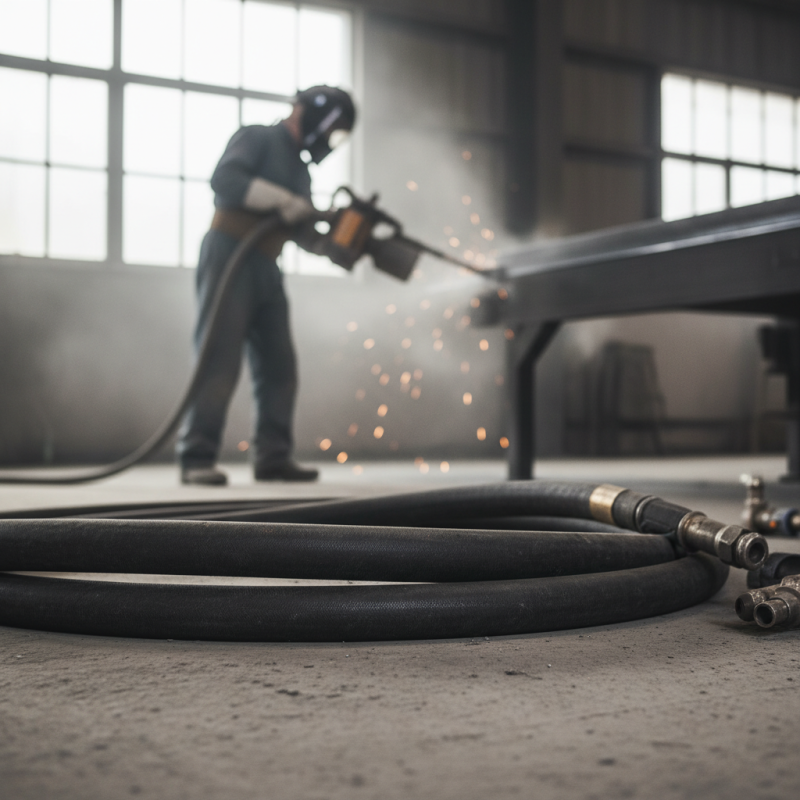
2026 How to Choose the Right Sandblast Rubber Hose?
When selecting the right Sandblast rubber hose, many factors come into play. Industry expert John Smith once stated, "Choosing the right hose is crucial for effective sandblasting." This quote highlights the importance of making informed decisions.
The right sandblast rubber hose can impact efficiency and safety. Characteristics like durability, temperature resistance, and flexibility matter. Consider the environment where the hose will be used. Do not overlook the size and compatibility with equipment.
Inadequate choices can lead to serious rework and safety risks. It is essential to evaluate your specific needs closely. Not all hoses are created equal. Understanding these details will help ensure the best performance for your sandblasting tasks.
Understanding the Basics of Sandblast Rubber Hoses
When choosing a sandblast rubber hose, it’s essential to understand its components. The hose materials should withstand high pressure and abrasives. Look for hoses made from durable rubber compounds. These materials can boost the hose's lifespan dramatically. A well-constructed hose provides better performance in tough conditions.
Consider the diameter and length of the hose as well. The right diameter affects the airflow and material flow rate. A diameter that is too small can restrict flow. A longer hose may be required for larger work areas but can create pressure drops. Check the specifications carefully to avoid issues later.
It's also important to pay attention to the hose fittings. They should be compatible with your equipment. Mismatched fittings can lead to leaks or disconnections during use. Be mindful of these details to ensure proper functioning. Overall, careful selection leads to smoother operations, but overlook any detail, and problems might arise.
Key Factors to Consider When Choosing a Sandblast Rubber Hose
Choosing the right sandblast rubber hose is crucial for effective operation. One key factor is the hose's diameter. A larger diameter allows for increased airflow. However, it can be cumbersome. It's essential to balance between flexibility and size.
Another important aspect is the hose's pressure rating. A hose must withstand high pressures. Lower-rated hoses may burst, causing safety hazards. It's vital to check specifications carefully. Durability is another concern. Some hoses wear out quickly. Look for materials that resist abrasion and provide longevity.
Consider the length of the hose as well. A longer hose may limit mobility. On the other hand, a short hose can restrict reach. Finding the right length requires careful planning. Ensure you measure your work area. Overall, weigh these factors based on your needs. The right hose can enhance efficiency and prevent frustrations.
The Importance of Hose Material and Durability
Choosing the right sandblast rubber hose involves understanding the material's durability. Rubber hoses must withstand significant wear and tear. They face intense pressure and abrasive materials during sandblasting. A high-quality hose can have a direct impact on efficiency and safety.
Durability is crucial. Inferior materials can degrade quickly. They may crack, leading to leaks. Regular wear can compromise performance. Even minor issues can develop into major hazards if not addressed swiftly. Some hoses may feel sturdy but can fail under extreme conditions. It’s essential to analyze the hose’s specifications closely.
Inspection is vital. Look for specific traits such as flexibility and resistance to abrasion. Some hoses may seem perfect, yet fail in real-world applications. Usage scenarios vary widely, and you must consider your own needs. Investing time in research can save future headaches. Each hose has limitations that need reflection. Rushing into a decision can lead to prolonged issues down the line.
Evaluating Hose Size and Length for Optimal Performance
Choosing the right size and length of a sandblast rubber hose is crucial for effective performance. When deciding on hose size, consider the diameter. A larger diameter allows for higher flow rates. However, this can lead to more weight and less flexibility. Strike a balance that suits your specific needs.
Length also matters. A longer hose provides flexibility and reach, but it can cause pressure drop. Think about your workspace layout. Dimensional limitations may restrict hose length. Test different lengths if you can. It helps in understanding what works best for your situation.
Another point to consider is the environment. If you're working in tight spaces, a shorter, flexible hose may perform better. On the other hand, outdoor tasks might benefit from a longer hose to cover distance. Each application is unique. There’s always room for adjustments and evaluations. Recognizing what doesn't work can lead to better choices in the future.
Maintenance Tips for Prolonging the Life of Your Sandblast Hose
When it comes to sandblast hoses, proper maintenance is key to longevity. Many users overlook the importance of routine checks. A well-maintained hose enhances safety and performance.
One tip is to regularly inspect the hose for signs of wear. Look for cracks, abrasions, or deformities. These issues can compromise functionality. Replace a hose at the first sign of significant damage. Remember, a small crack can lead to larger problems.
Avoid exposing the hose to extreme temperatures. Heat can cause rubber to degrade faster. Storing the hose in a cool, dry place helps maintain its flexibility. Additionally, clean the hose after each use to remove debris and prevent blockages. This simple step can extend its lifespan significantly.
2026 How to Choose the Right Sandblast Rubber Hose? - Maintenance Tips for Prolonging the Life of Your Sandblast Hose
This chart illustrates the key factors that influence the longevity of sandblast rubber hoses, rated on a scale from 1 to 10. Higher ratings indicate a more significant impact on prolonging the hose's life.