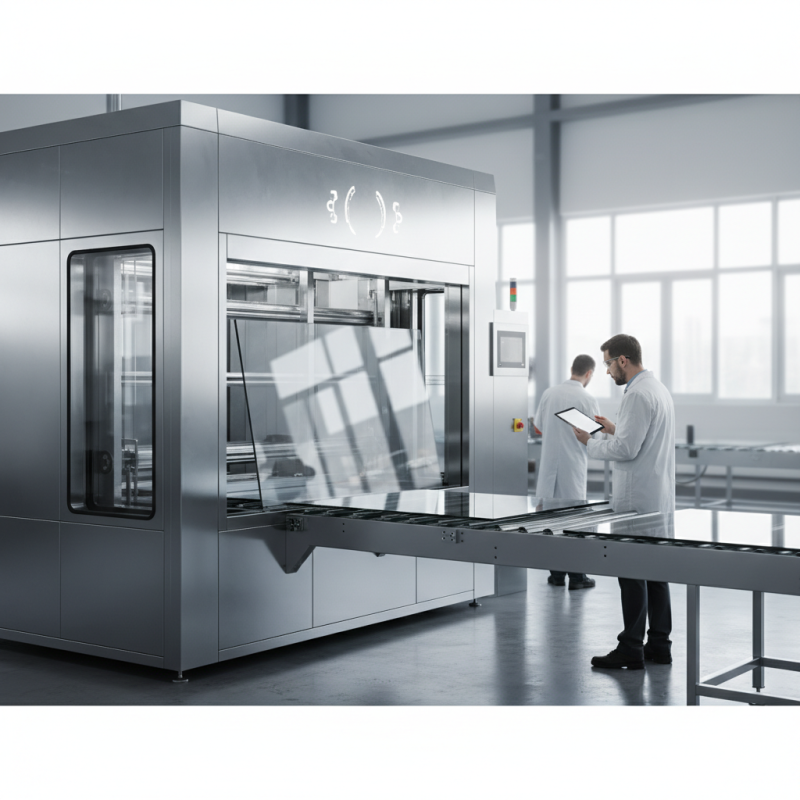
How to Choose the Best Glass Lamination Machine for Your Needs?
Choosing the right Glass Lamination Machine can significantly impact your production quality. According to industry expert John Smith, “A well-chosen machine makes all the difference.” His insight emphasizes the importance of making informed decisions when selecting equipment.
When exploring options, consider your specific needs and production volume. Not all machines fit every purpose. Some offer higher speed, while others excel in quality. Compare available models to find a balance that suits your requirements.
Remember, even the best Glass Lamination Machine may fall short if not correctly maintained. Frequent evaluations are necessary to ensure optimal performance. Reflecting on past choices helps refine future decisions and improve output efficiency.
Understanding Glass Lamination Machine Types and Features
When selecting a glass lamination machine, it is crucial to understand the various types available in the market. Two common types are the autoclave and the non-autoclave laminators. Autoclave machines use high-pressure steam to cure laminated glass. They are efficient and often produce higher quality results. However, they can be costly, requiring significant space and maintenance. Non-autoclave machines provide a more affordable and compact solution. They use heat and pressure to laminate glass but may not always yield the same level of quality.
In terms of features, look for machines that offer precise temperature control and adjustable pressure settings. Some reports indicate that machines with advanced monitoring systems can reduce operational errors by up to 30%. Additionally, consider the machine’s capacity. A high-throughput model may be necessary for large-scale production. However, for smaller operations, a more basic model could suffice. Not all machines come with easy-to-use interfaces, which can lead to challenges in training staff. Understanding these features is vital before making a purchase. As choices may appear overwhelming, reflecting on operational needs helps in selecting the right equipment.
Evaluating Production Capacity and Speed for Your Requirements
When selecting a glass lamination machine, production capacity and speed are critical factors. You need to assess how much glass you plan to laminate daily. If you're a small shop, a lower capacity may suffice. But larger operations demand high-speed machines to meet their targets. Consider machines that can handle multiple layers at once for efficiency.
Speed also matters. A machine that takes too long can disrupt workflow. Aim for equipment that balances speed and quality. Look for features like adjustable speed settings to cater to different projects. However, machines that promise too much speed might compromise on the final product's quality. Test various models if possible.
Your unique needs play a significant role. Evaluate how many laminations you need to complete in a day. Sometimes, lower capacity machines can still match your productivity goals. Reflect on the types of glass you often work with. Choosing the right machine isn't just about numbers; it involves understanding your specific requirements and the type of production cycle you envision.
How to Choose the Best Glass Lamination Machine for Your Needs?
| Machine Model | Production Capacity (m²/hour) | Max Glass Thickness (mm) | Heating Method | Speed (layers/min) |
| Model A | 30 | 12 | Electric | 3 |
| Model B | 40 | 10 | Gas | 4 |
| Model C | 25 | 15 | Electric | 2 |
| Model D | 50 | 8 | Oil | 5 |
| Model E | 35 | 14 | Electric | 3.5 |
Assessing Safety Standards and Compliance in Lamination Machines
When selecting a glass lamination machine, safety standards must be a priority. Understanding compliance ensures that your equipment meets legal and safety requirements. Without this knowledge, you might face inspections, fines, or worse. Start by checking the machine's certifications. Look for relevant industry standards that verify its safety features.
Compliance goes beyond certifications. It also involves assessing the machine’s build quality. Components should be durable and reliable. Poor construction can lead to accidents. Regular maintenance can mitigate risks, but it’s crucial to choose machines designed with safety in mind. Think about the emergency stop features and user-friendly controls.
Training your staff is equally important. Even the safest machines can become hazardous if not operated correctly. Ongoing education about the equipment can prevent misuse. Evaluate the training resources available for your chosen model. A comprehensive approach to safety ensures the longevity of both the machine and your team.
Considering Budget and Cost-effectiveness of Glass Lamination Machinery
Choosing a glass lamination machine requires careful consideration of your budget and its cost-effectiveness. The initial investment can vary widely. On average, prices range from $30,000 to $100,000, depending on specifications and capabilities. It's crucial to evaluate features that align with your production volume. Machines with higher automation often come with a steeper price tag but can significantly increase efficiency.
While it may be tempting to opt for lower-cost machines, research shows that they may not meet long-term demands. A report by the Glass Association indicates that failure rates for cheaper models can reach up to 20% within two years of operation. This results in increased downtime and repair costs, affecting overall productivity. Sometimes, investing a little more upfront can lead to substantial savings later.
Additionally, maintenance costs are another aspect to factor in. Some machines require more frequent servicing, which adds to operational expenses. Not all machines will suit every application's needs. Selecting the right one requires balancing quality with your budget. Each choice is critical for future production and profitability. Ultimately, the right machine should enhance your production without compromising your financial health.
Exploring Maintenance and Support Options for Longevity and Performance
Maintaining a glass lamination machine is crucial for its longevity and optimal performance. Regular maintenance can reduce downtime and enhance the efficiency of the equipment. According to a report by the International Glass Association, proper upkeep can prolong the lifespan of machinery by up to 30%. This means that investing in good maintenance practices is essential for your business’s bottom line.
Tips for maintenance include regular cleaning of machine components, checking for wear and tear, and adhering to manufacturer guidelines. Small issues can often become big problems if not addressed promptly. Documenting all maintenance activities can help in identifying patterns and potential areas of concern.
Support options are also important. Make sure to understand the warranty and post-purchase services offered. Some companies provide online resources, while others may offer on-site technical support. Be aware that not all support systems are equal; assess them carefully before making a decision. A study from the Machinery Maintenance Forum suggested that companies with solid support systems see a 15% increase in operational efficiency. Considering these factors can lead to informed decisions in upgrading or purchasing new equipment.