How to Choose the Right Electric Ball Valves for Your System?
Choosing the right Electric Ball Valves is essential for efficient system performance. According to industry reports, the global valve market is anticipated to reach $100 billion by 2025, with Electric Ball Valves playing a significant role in this growth. These valves offer precise control, energy efficiency, and reliability, making them ideal for diverse applications.
However, selecting the right model can be challenging. Various factors like pressure ratings, material compatibility, and actuator types must be considered. A small oversight can lead to system failures or inefficiency. Recent studies indicate that improper valve selection can increase operational costs by up to 30%.
Additionally, users often overlook maintenance needs. Regular inspections and replacements are vital for valve longevity. Simplifying choices in Electric Ball Valves may lead to critical errors and increased downtime. Ultimately, understanding your system’s specific requirements is crucial for making informed decisions.
Understanding Electric Ball Valves and Their Applications
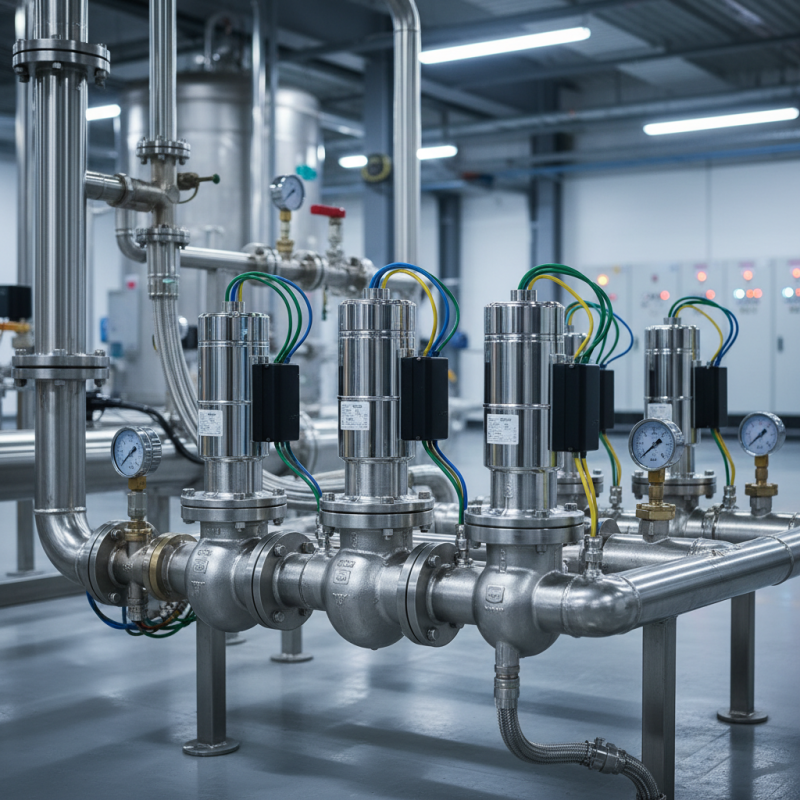
Electric ball valves are crucial in various systems. They control the flow of liquids and gases effectively. Typically, these valves consist of a spherical disc that provides reliable sealing. They can be used in plumbing, HVAC, and industrial applications.
Understanding the different applications of electric ball valves is key. In HVAC systems, they regulate coolant flow. This is important for maintaining energy efficiency. In water treatment plants, they control the flow of water. However, not all applications require the same specifications. You might face challenges when choosing the right model.
Installation and compatibility also matter. Ensure that the valve fits your piping system. Consider the voltage requirements and control options. A mismatch can lead to system inefficiencies. It's essential to evaluate your needs carefully. Reflecting on these factors can avoid costly mistakes down the road.
Key Factors to Consider When Selecting Electric Ball Valves
Choosing the right electric ball valves for your system can be challenging. Several key factors must be considered. One of the most crucial aspects is flow rate. Ensure the valve can handle your system’s required flow capacity. A mismatch could lead to inefficient operation.
Another important factor is voltage. Electric ball valves operate at various voltage levels. Confirm that the valve's voltage is compatible with your existing electrical system. This can prevent failures or malfunctions. Size and material also matter. The valve must fit the system’s piping perfectly. Materials should resist corrosion and wear.
Don’t forget control options. Some valves come with basic on/off control, while others offer modulating features. Determine what fits your needs best. Lastly, consider the valve's response time. A slow response can disrupt system efficiency. Take the time to reflect on these details before making a choice. Every aspect plays a role in overall functionality.
Assessing Compatibility with Your System’s Specifications
Choosing the right electric ball valves requires assessing compatibility with your system's specifications. This involves understanding the pressure ratings and flow characteristics that match your application. According to a recent industry report, 70% of system failures stem from improper valve selection. Therefore, accurate data is crucial in this process.
Evaluating the materials of the valves is also essential. Many systems operate under corrosive or high-temperature conditions. Using valves made from incompatible materials can lead to leaks or failures. A study revealed that 40% of maintenance issues arise from material incompatibility. Thus, ensure the valve construction aligns with your system's requirements.
Another factor is the control system compatibility. Verify if the electric actuator integrates well with your existing control system. Without proper integration, responsiveness may lag, affecting overall efficiency. It's critical to analyze control signals and power supply needs. An inadequately matched system can result in a failure to respond during crucial operations. These issues can cause severe downtime and financial loss.
Evaluating Control Options and Features of Electric Ball Valves
When evaluating control options for electric ball valves, several factors come into play. The ability to modulate flow effectively is crucial. According to a recent industry report, over 70% of fluid control systems prefer electric ball valves for their precise flow management. This makes them ideal for applications requiring tight shut-off capabilities. Many valves now come with integrated position indicators. Knowing the open or closed status at a glance can prevent costly downtime.
Consider the control features you need. Some systems benefit from simple ON/OFF control, while others may require proportional control. The latter allows for fine-tuning of flow rates, making it suitable for dynamic processes. Reports indicate that systems adopting proportional control achieve a 25% efficiency gain compared to those relying solely on ON/OFF mechanisms. Yet, not all electric ball valves offer this versatility. It's essential to assess your system's specific requirements before making a decision.
Another critical aspect is communication protocols. Some electric ball valves support Modbus or Ethernet, allowing for easier integration into existing automation systems. However, compatibility issues may arise with older infrastructure. This can lead to unexpected costs and delays. As the market grows, manufacturers continue to innovate, but not all advances may suit your needs. Thus, careful consideration of features is necessary.
Maintenance and Longevity: Choosing Quality Electric Ball Valves
When selecting electric ball valves, quality matters, especially for longevity. Research shows that higher-end valves often have better performance and lifespan. A study by the Valve Manufacturers Association indicates that quality components can increase service life by up to 50%. This reduction in replacement frequency can lead to significant cost savings.
Maintenance is crucial to ensure optimal operation. Regular inspections help identify wear and tear before they become serious issues. Many systems fail due to neglect, potentially leading to costly downtime. It is often noted that up to 30% of valve failures can be attributed to inadequate maintenance practices. Choosing valves with robust materials can also reduce maintenance needs. Stainless steel and brass options generally outperform plastics in demanding environments.
Yet, one must also consider the trade-offs. Higher-quality valves can require a larger initial investment. Therefore, it is essential to evaluate the long-term costs versus initial expenses. Sometimes, choosing a cheaper valve seems wise but may result in premature failures. Balancing upfront costs with potential savings can be challenging, but it is vital for the long-term success of any system.
How to Choose the Right Electric Ball Valves for Your System? - Maintenance and Longevity: Choosing Quality Electric Ball Valves
| Valve Size (inches) | Voltage (V) | Material | Flow Coefficient (Cv) | Operating Temperature Range (°C) | Lifespan (Cycles) |
| 1/2 | 24 | Brass | 7.2 | -20 to 85 | 1,000,000 |
| 3/4 | 120 | PVC | 10.5 | 0 to 60 | 500,000 |
| 1 | 240 | Stainless Steel | 15.0 | -40 to 150 | 2,000,000 |
| 2 | 380 | Bronze | 24.0 | -30 to 120 | 1,500,000 |