What is the Chocolate Expiration Date and How to Tell?
Chocolate is a beloved treat enjoyed by many. However, understanding Chocolate expiration is crucial. Dr. Amelia Brown, a renowned food scientist, states, "Chocolate can last long, but quality diminishes over time." This highlights the importance of knowing how long chocolate stays good.
Chocolate expiration dates vary by type. Dark chocolate typically has a longer shelf life. Milk chocolate may not last as long due to dairy content. Storage conditions also play a role. Chocolate should be kept in a cool, dark place away from strong odors. Improper storage can accelerate spoilage.
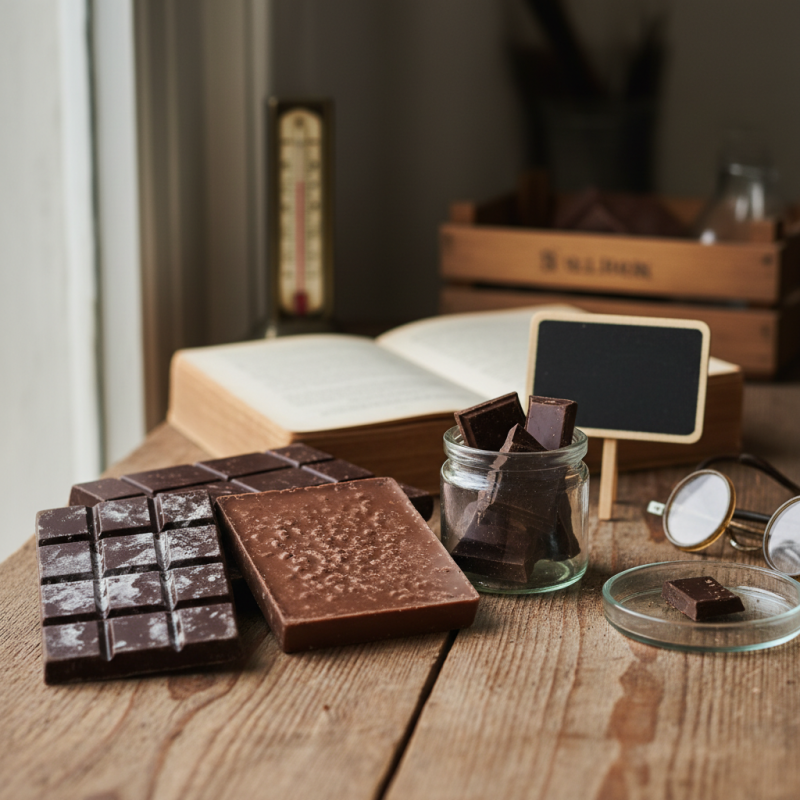
Signs of expired chocolate include white streaks or a grainy texture. These indicate fat bloom or the chocolate’s age. Always inspect chocolate before consumption. While chocolate may not be harmful after the expiration date, its quality will likely suffer. Recognizing these details can enhance your sweet indulgence.
Understanding Chocolate Expiration Dates: A Comprehensive Overview
Chocolate is a beloved treat worldwide, but many people overlook its expiration date. Understanding chocolate expiration dates is essential for ensuring quality and taste. According to a study by the National Confectioners Association, the shelf life of chocolate varies significantly based on its type. Dark chocolate can last up to two years, while milk chocolate generally has a shelf life of about one year.
Factors like storage conditions heavily influence chocolate longevity. Keeping chocolate in a cool, dry place away from strong odors is crucial. The FDA states that chocolate stored improperly may develop a white film, known as bloom. This does not mean the chocolate is bad, but it can affect texture and taste. It’s common to find chocolate that’s past its expiration date but still safe to eat.
Some chocolate lovers may find expired chocolate still delicious. Tasting is a valid method to determine quality. However, expired chocolate may lose its flavors and texture, which is disappointing. Reflecting on the signs of spoilage, like off odors or unusual textures, is necessary. Keeping an eye on the expiration date helps prevent consuming subpar chocolate while ensuring a delightful experience.
Types of Chocolate and Their Shelf Life: A Detailed Analysis
When it comes to chocolate, different types have varying shelf lives. Dark chocolate, for instance, can last up to two years. Its high cocoa content and low moisture inhibit spoilage. Milk chocolate, however, has a shelf life of about one year. The dairy components make it more prone to spoilage. White chocolate, while technically not chocolate, also lasts about a year. Its significant fat content can go rancid if stored improperly.
Different storage conditions can affect these timeframes. Chocolate should be kept in a cool, dark place to maintain freshness. Humidity and temperature fluctuations can lead to sugar bloom. This is when sugar crystals develop on the surface, making it look unappealing. Although it might still be safe to eat, the texture can be affected. Chocolate should not be stored in the fridge, as it can absorb odors easily.
Keep an eye on the expiration date, but also trust your senses. If it smells off or the texture is noticeably different, it’s best to discard it. Over time, chocolate may become dry or grainy. Sometimes, it's best to enjoy a fresh bar rather than settling for old stock. Chocolate can be a treat, so ensuring it’s at its best adds to the experience.
What is the Chocolate Expiration Date and How to Tell? - Types of Chocolate and Their Shelf Life: A Detailed Analysis
| Type of Chocolate | Shelf Life (Unopened) | Shelf Life (Opened) | Storage Tips |
| Dark Chocolate | 2 years | 1 year | Store in a cool, dry place away from light. |
| Milk Chocolate | 1 year | 6 months | Keep in a cool, dry environment, preferably wrapped. |
| White Chocolate | 1 year | 4-6 months | Store in a cool place away from strong odors. |
| Bittersweet Chocolate | 2 years | 1 year | Ideal at room temperature; keep away from heat. |
| Chocolate Chips | 1-2 years | 6-12 months | Keep sealed in a cool, dry pantry. |
Key Indicators of Chocolate Freshness: Visual and Sensory Cues
When assessing chocolate freshness, visual and sensory cues play crucial roles. Begin by examining the surface. A glossy sheen indicates high quality, while dull or white spots could signal age. These white streaks, often from sugar bloom or fat bloom, don’t necessarily mean the chocolate is spoiled. Still, they may impact texture.
Texture is another critical factor. Chocolate should snap cleanly when broken. If it feels crumbly or mushy, it’s likely past its prime. The U.S. National Confectioners Association reports that chocolate maintains quality for about one year if stored properly. Temperature and humidity can diminish its appeal significantly.
Aroma matters too. Fresh chocolate should emit a rich, inviting scent. Any off-putting or rancid smells suggest aging fat, which compromises flavor. It’s surprising how quickly chocolate can change. Even a few months of improper storage can alter its character. Trust your senses. Chocolate isn't just a treat; it's an experience. Keeping an eye on freshness indicators ensures you enjoy it at its best.
Industry Standards: How Chocolate Manufacturers Define Expiration Dates
Chocolate manufacturers often follow strict industry standards when defining expiration dates. According to the Cocoa Association, chocolate typically has a shelf life of one to two years. However, this can vary based on the type of chocolate. Dark chocolate lasts longer than milk chocolate due to its lower moisture content. White chocolate, despite being a sweet, can spoil quicker due to its dairy ingredients.
To determine if chocolate is past its prime, look for changes in color or texture. A white coating called bloom may appear, which is not harmful but affects quality. The flavor of the chocolate might also degrade over time. A recent study highlighted that chocolate could still be safe to consume even after the expiration date, although the taste may not be optimal.
Tips: Store chocolate in a cool, dry place. Avoid exposure to heat or sunlight. If you notice an off smell, it's best to discard it. Keep an eye on the texture too; any waxiness can indicate age. Always remember, the date is often a guideline, not an absolute rule.
Best Practices for Storing Chocolate to Extend Its Shelf Life
Storing chocolate properly can significantly extend its shelf life. Keep chocolate in a cool, dry place. A pantry works well, but avoid areas near heat sources. Ideally, the temperature should be between 60°F and 70°F. This prevents melting and preserves texture. Humidity can also be damaging, leading to bloom. That’s when a white film appears on the surface.
For long-term storage, consider wrapping chocolate tightly in foil or plastic. This protects it from light and odors. If you live in a humid climate, an airtight container is a must. Be aware, however, that chocolate can absorb strong smells from its surroundings. You don’t want it tasting like onions.
Check for signs of spoilage. Chocolate can still be safe to eat after its expiration date, but it might not taste great. Look for any changes in color or texture. Small imperfections are common. They can be a reminder that chocolate is a natural product. It’s always best to use your senses. If it looks or smells off, it’s worth a second thought.