2026 Best Ncr Carbonless Paper Options for Your Business?
When it comes to effective business operations, choosing the right materials is crucial. One key option for many businesses is Ncr Carbonless Paper. This unique paper allows for multiple copies without the need for carbon sheets. It streamlines processes, saving time and resources. Yet, not all Ncr Carbonless Paper products are created equal.
In 2026, selecting the best choices can be overwhelming. Various brands and types are available. Your selection may depend on print quality, durability, and environmental impact. While some options excel, others may fall short. It's vital to research and identify what truly meets your business needs. The perfect Ncr Carbonless Paper can enhance efficiency, but mistakes in selection can lead to frustrations.
Understanding the specifics of Ncr Carbonless Paper is essential. Different weights and sizes can affect performance. Sometimes, what seems ideal may not deliver the expected results. Careful review of product specifications and customer feedback is crucial. As businesses strive for excellence, exploring the 2026 best options can lead to informed choices.
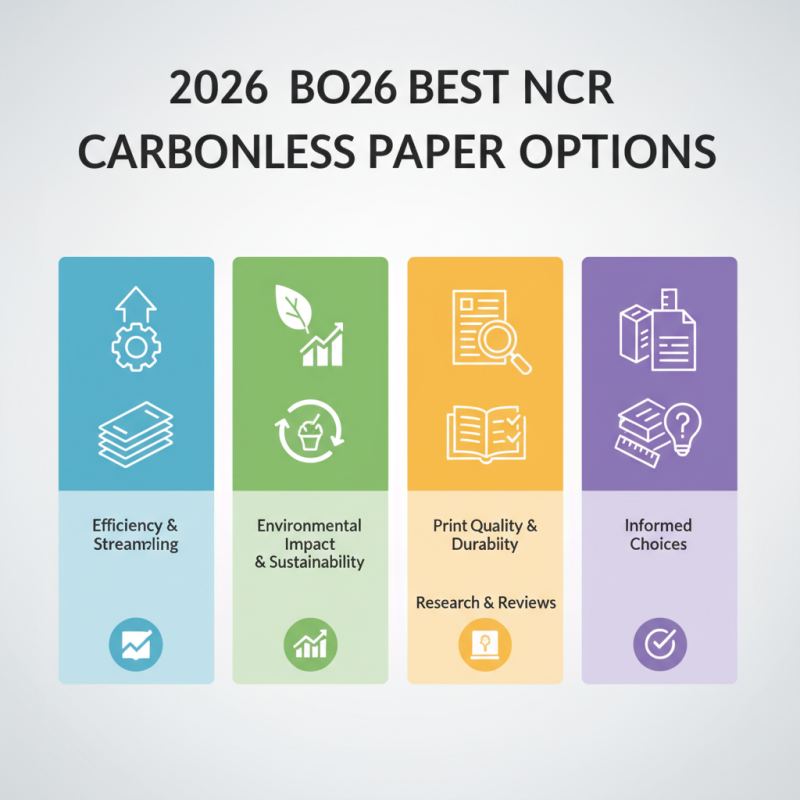
Understanding NCR Carbonless Paper and Its Functionality
NCR carbonless paper is unique and functional. It allows users to create duplicate or triplicate copies without the need for carbon sheets. This paper has a special coating that transfers ink from the top sheet to the sheets beneath. The process is simple yet effective. It helps businesses save time and reduce clutter. Creating invoices, receipts, and forms becomes much easier.
Understanding how this paper works is essential for users. The pressure applied during writing activates the microcapsules in the paper. These break and release dye, which then adheres to the underlying sheets. It's straightforward, but not perfect. Sometimes, the copies are faint or hard to read. Testing different weights can reveal what works best for specific needs. You may find that certain colors or styles improve clarity.
Using NCR carbonless paper effectively requires experimentation. Its versatility can benefit various industries. Yet, not every business may achieve ideal results right away. Finding the right balance between thickness and print quality takes time. Each use case presents unique challenges. Being open to feedback and willing to adjust is crucial for success.
2026 Best NCR Carbonless Paper Options for Your Business
| Paper Type | Weight (GSM) | Layers | Color Options | Applications |
| NCR Type A | 70 | 2 | White, Yellow | Invoices, Order Forms |
| NCR Type B | 80 | 3 | White, Pink, Yellow | Receipts, Sales Slips |
| NCR Type C | 60 | 2 | White, Blue | Delivery Notes, Purchase Orders |
| NCR Security | 75 | 2 | White, Green | Confidential Documents |
| NCR Heavyweight | 100 | 3 | White, Yellow, Pink | High-Volume Orders |
Types of NCR Carbonless Paper Available in 2026
In 2026, businesses will have various options for NCR (No Carbon Required) carbonless paper. This paper is essential for creating multiple copies without using carbon paper. There are mainly two types: two-part and three-part carbonless forms. Each type caters to different business needs. Two-part forms often serve for invoices, while three-part forms can benefit businesses requiring a receipt for both customer and internal records.
The versatility of NCR paper can enhance workflow efficiency. According to industry reports, 70% of businesses prefer carbonless paper options due to their convenience. However, choosing the right type remains a crucial decision. Some users may find that the print quality varies between different manufacturers. This inconsistency can lead to poor results, which businesses must avoid. Testing is key when selecting your carbonless paper.
The environmental impact is also a concern. Many companies are beginning to seek eco-friendly alternatives, aligning with sustainability goals. This shift is essential. Not every option on the market is eco-conscious, creating a gap that needs addressing. It's a reminder that while options are available, careful evaluation is necessary for making an informed choice in 2026.
Top Brands for NCR Carbonless Paper in 2026
As businesses evolve, the demand for NCR carbonless paper grows steadily. According to industry reports, the carbonless paper market is estimated to reach $1.2 billion by 2026. This growth is driven by the increasing need for efficient documentation and sustainability in operations.
When choosing NCR paper, considerations include copy clarity and durability. Many businesses report inconsistencies in print quality across different brands. Some papers smudge easily, which can lead to frustrations. Companies must weigh these factors carefully. Consider the environment as well. Reports indicate that eco-friendly options gain popularity, but performance can vary.
In 2026, various manufacturers will likely enhance their offerings. Innovations promise better print quality and brightness. However, potential issues with compatibility in different printers may arise. Feedback from users suggests that trial-and-error remains essential. Investing time in research is crucial, as each option presents unique pros and cons.
Factors to Consider When Choosing NCR Carbonless Paper
When selecting NCR carbonless paper for your business, several factors come into play. The weight of the paper matters. Lighter paper tends to be more affordable but may lack durability. Heavier options last longer but can elevate costs. Consider how frequently you’ll print. High-volume tasks benefit from more durable choices.
Next, the size of the paper is essential. Standard sizes fit many printers, but custom sizes may be necessary for specific applications. Look into the finish as well. A smooth finish enhances print clarity, while rough finishes may give a vintage feel. Also, think about compatibility with printers. Some papers may jam or produce uneven prints depending on the machine.
Don’t forget ink absorption. Different papers absorb ink differently, affecting print quality. You might find that some options leave smudges or blur text. Experimenting with samples could help avoid costly mistakes. Reflection on your printing needs is crucial. Sometimes the cheapest option isn't the best long-term choice.
Cost Analysis of NCR Carbonless Paper for Businesses in 2026
In 2026, businesses looking into NCR carbonless paper have several options. Understanding cost is essential. The prices can vary based on numerous factors. Bulk purchasing often lowers expenses, but initial investment might be high. Some businesses choose low-quality options to save, only to face poor prints and frustration. Balancing quality and cost is crucial.
Analyzing ongoing expenses will help in making better decisions. Paper storage and compatibility with existing printers are key aspects. Purchasing the wrong size could lead to wasted paper and added costs. Many overlook custom sizes, which can prevent future issues. The long-term implications of using cheaper alternatives can lead to higher operational costs down the road.
Choosing the right NCR carbonless paper involves careful consideration. Discounts might seem attractive, but they can come with unexpected drawbacks. Businesses need to evaluate their actual needs, considering factors like volume and print quality. Assessing these costs can reveal hidden challenges. The right choice can enhance efficiency and save time, leading to greater productivity.
Cost Analysis of NCR Carbonless Paper Options for Businesses in 2026