What is the Best Lamination Machine for Your Needs?
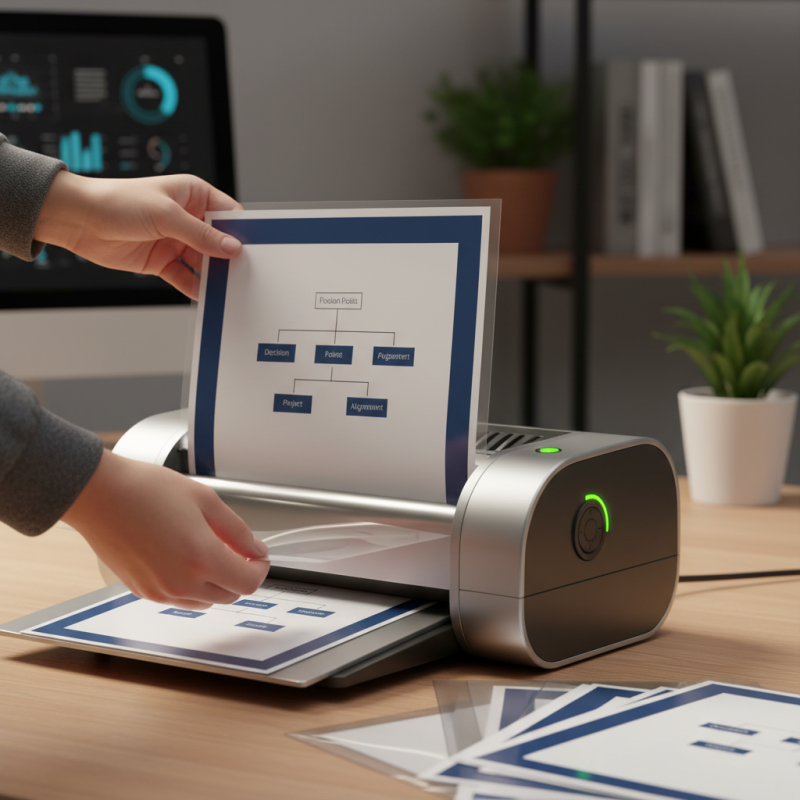
Choosing the right Lamination Machine can be challenging. With so many options available, understanding your specific needs is crucial. A good lamination machine protects documents and enhances their appearance.
When selecting a machine, consider factors like size and usage. Some machines are compact for home use, while others suit large offices. Think about the materials you will laminate. Not all machines work with thick or specialty films.
Your decision may lead to frustration. You may ultimately choose a machine that doesn't meet your expectations. It's worth taking the time to research. Ensure it aligns with your projects. A well-chosen Lamination Machine can prove to be a useful investment.
Types of Lamination Machines: Which One is Right for You?
When choosing a lamination machine, consider the variety available. There are pouch laminators, which are great for small jobs. They are simple to use and perfect for home projects. Roll laminators handle larger documents. They can laminate posters, banners, and various media. These machines are often used in schools and offices.
Each type has its pros and cons. Pouch laminators are portable and affordable, but they can only handle smaller items. They might not be the best option for bulk work. Roll laminators are efficient but can be pricey and take up space. It’s essential to evaluate your needs. What will you be laminating? This reflects on your choice.
Some users find it challenging to choose the right machine. They may buy a pouch laminator, only to discover it’s not suitable for their projects. Maybe there’s a learning curve with settings and temperatures. Identifying your lamination needs is key. Investing time in research can save frustration later.
What is the Best Lamination Machine for Your Needs?
Key Features to Consider When Choosing a Lamination Machine
When selecting a lamination machine, consider various key features. The size of the machine matters. A compact model fits well in small spaces. Larger machines handle bigger projects. Think about the laminating thickness too. Some projects need heavy-duty lamination. Others may require standard thickness. Check the temperature settings as well. Adjustable settings provide more control over your lamination quality.
Tip: Always assess your workspace. A larger machine may seem appealing, but it could take up too much room.
Speed is crucial for efficiency. If you often work on big tasks, choose a faster machine. Not all machines offer the same speed, which can affect productivity. Consider a machine with a built-in cutter. This feature can save time and improve accuracy.
Tip: Look for user reviews before buying. Feedback from others can highlight both strengths and weaknesses of a particular model.
Finally, evaluate the warranty options. A good warranty provides peace of mind. It shows the manufacturer stands by their product. If issues arise, you want support. Make sure to ask questions and clarify any doubts. It's important to feel confident in your decision.
Comparing Different Brands and Models of Lamination Machines
When choosing a lamination machine, consider various brands and models. Each option has unique features. Some machines are compact and suitable for small projects. Others can handle large formats and heavy-duty tasks. This diversity can make decision-making challenging.
Think about your specific needs. A basic model may suffice for occasional use. However, a more advanced machine could be necessary for frequent laminating tasks. A powerful motor speeds up the process, but it may be noisier. Weigh the pros and cons. Sometimes, features can overwhelm the user instead of simplifying the process.
Check for user reviews. Many users mention difficulties with maintenance or the learning curve. Some machines jam easily, causing frustration. It’s essential to balance performance with ease of use. Remember that the best choice varies depending on personal preferences and intended applications. What works for one might not suit another.
Cost Considerations: Budgeting for Your Lamination Needs
When considering a lamination machine, budgeting is crucial. You might find machines at various price points. Some devices are more affordable but may lack advanced features. Others are pricier but offer stability and efficiency. Reflect on how often you’ll be using the machine. If it’s a one-time project, a lower-cost option may suffice.
However, investing in a higher-end machine can save you money in the long run. Quality machines often come with better warranties and parts. These features can be vital for frequent users. Think about the cost per project, too. A budget machine might seem tempting, but it could lead to poor lamination results. This could require redoing projects, ultimately costing more.
Don’t overlook additional costs. Supplies such as pouches and maintenance can add up. If you have a busy workspace, durability matters. A machine that breaks down often leads to lost time and increased costs. Take time to research and weigh your options carefully. Aim for a balance between quality and price that meets your specific needs.
Tips for Maintaining and Using Your Lamination Machine Effectively
When using a lamination machine, maintenance is key. Proper upkeep ensures longevity and optimal performance. Studies show that neglecting maintenance can reduce machine efficiency by up to 30%. Regular cleaning is essential. Dust and debris can cause jams. A quick wipe down of the rollers can prevent issues.
Here are some tips for using your laminator effectively. Always choose the right film thickness. Using a film that is too thick may lead to uneven lamination. Additionally, calibrate the machine settings according to the material. Materials like paper and photos require different temperatures.
Pay attention to the processing speed. A slow feed rate can improve results but may lag production. Rushing may result in bubbles or creases. This can impact the final quality and necessitate re-lamination, wasting time and resources. Reflecting on these aspects can help users maximize their machine’s capabilities. The key is to find a balance between speed and precision.