Best Labels A4 for Every Printing Need?
In the world of printing, choosing the right "Labels A4" can make a significant difference. Renowned printing expert Mark Johnson once stated, “The right labels can elevate your projects and ensure clarity.” This rings particularly true in varied applications, from organizing office documents to labeling products for sale. Labels A4 are versatile, yet not all options suit every purpose.
Every label has its strengths and weaknesses. For instance, glossy labels might look appealing but may smudge easily. Conversely, matte labels offer durability yet can lack vibrancy. Users often grapple with these choices, reflecting the need for deeper understanding.
Selecting the best Labels A4 is about more than just aesthetics; it involves balancing functionality and design. Experimentation leads to growth. It is important to reflect on previous choices while seeking labels that truly meet your needs. The rightLabels A4 can transform your projects and improve presentation significantly.
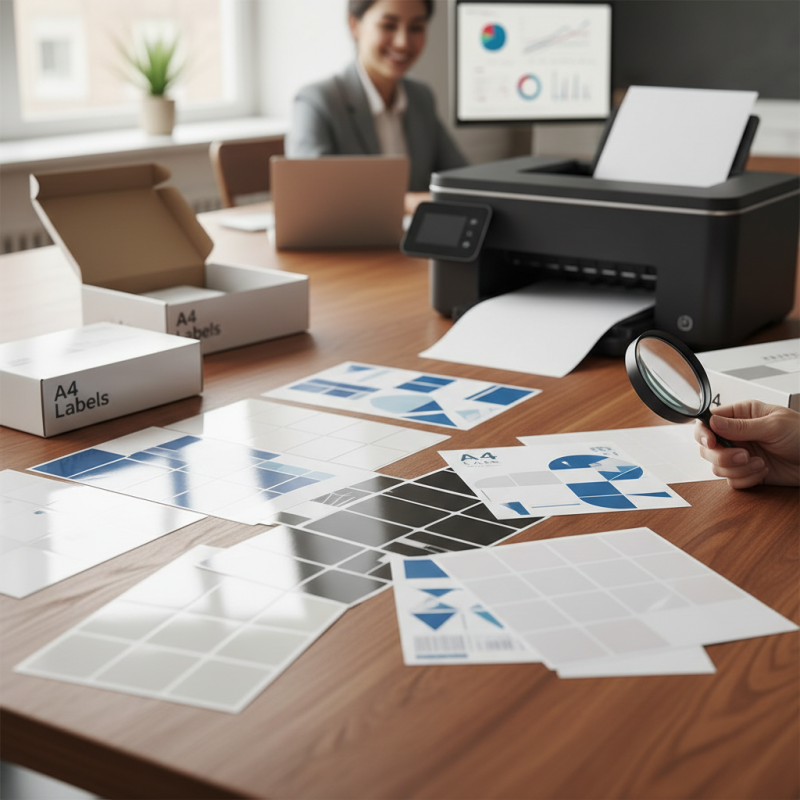
The Importance of Choosing the Right Labels for A4 Printing Needs
Choosing the right labels for A4 printing is crucial. The wrong labels can lead to smeared ink and poorly adhered prints. According to a study by the Print Industry Association, 30% of print jobs fail due to inadequately matched labels and sheets. Quality labels are essential for clarity and durability.
Paper weight, adhesive type, and finish all matter. For instance, glossy labels enhance colors and details, which is fantastic for marketing materials. However, if your printer cannot handle glossy stocks, you'll face wasted paper and time. Finding the ideal label could be tricky.
Tip: Always test a few label types before committing to bulk purchases. This helps prevent costly mistakes. Additionally, consider your printer’s specifications. Not all printers accommodate every label thickness or type. Make informed choices to avoid frustration. Lastly, remember that even minor differences can impact the final result significantly. Pay attention to these details.
Types of Labels: Glossy, Matte, and Waterproof Options Explained
When choosing A4 labels, the type matters. Glossy labels shine, providing a professional look. They work well for product packaging and promotional materials. Colors pop on glossy surfaces, making designs eye-catching. However, they can smudge if not printed properly. It's crucial to use the right printer settings for best results.
Matte labels offer a different aesthetic. They absorb ink better, reducing glare. This makes text easier to read. But, they can sometimes feel less vibrant than their glossy counterparts. Users may find that colors appear duller. Balancing a matte finish with vibrant designs can be challenging.
Waterproof labels are essential for specific tasks. They're perfect for products exposed to moisture. Think of items like bottled beverages or outdoor labels. While they withstand water, their ink can still fade over time. It’s vital to select waterproof options thoughtfully. Understanding these differences can transform your printing projects. Quality matters in label selection!
Best Labels A4 for Every Printing Need
| Label Type | Finish | Waterproof | Best For |
| Glossy Labels | Glossy | No | Product Packaging |
| Matte Labels | Matte | No | Office Use |
| Waterproof Labels | Glossy | Yes | Outdoor Use |
| Silver Foil Labels | Metallic | No | Luxury Products |
| Clear Labels | Transparent | No | Beverages |
| Repositionable Labels | Matte | No | Product Labels |
Understanding Label Adhesives: Permanent vs. Removable Choices
When choosing A4 labels, understanding adhesive types is crucial. Two main options exist: permanent and removable adhesives. Permanent labels bond strongly. They are ideal for shipping and long-term applications. According to industry reports, about 70% of businesses prefer permanent labels for their durability.
Removable labels offer flexibility. They peel away easily without leaving a residue. This feature is valuable for temporary promotions or labeling items that may change. Research shows that 40% of consumers appreciate the option of removable labels. This choice makes them popular among those who prioritize clean removal.
It's essential to consider the material as well. Some labels excel in challenging conditions. For instance, waterproof materials may be necessary for food products or outdoor use. However, not all labels hold up equally under pressure. Poor quality labels can result in smudging or tearing. This might require additional time and resources for reprinting. Businesses must reflect on their needs before making a decision.
Best Labels A4 for Every Printing Need
This bar chart illustrates the preference for permanent and removable adhesives among A4 label users, highlighting that a significant majority prefers permanent adhesives for their versatility across various printing needs.
Key Printing Techniques for Optimal A4 Label Quality
When it comes to A4 labels, the printing technique you choose significantly impacts the final quality. High-quality results start with understanding your printer's capabilities. For instance, inkjet printers often produce vibrant colors, but they can struggle with smudging on glossy labels. Choosing the right labels can mitigate this. A market report from the Label Manufacturers Association highlights that nearly 35% of users experience print quality issues due to incorrect label selection.
Tip: Always match your label type with your printer. For inkjet printers, opt for matte or coated labels which absorb ink better.
Different printing techniques also require attention to detail. Laser printers fix toner on labels using heat, making them ideal for text-heavy projects. However, if the labels are not designed for laser printing, you risk label curling or tearing. According to industry statistics, 27% of users report issues related to improperly matched materials and technologies.
Tip: Test printing on a few labels before finalizing your batch. It can save time and resources.
Even the humidity of your environment can affect label quality. Moist air can cause ink to run or labels to peel off. A survey revealed that 22% of users overlook this aspect, affecting overall presentation. It’s essential to consider these factors for the best outcomes.
Top Brands in A4 Labels: Market Trends and Consumer Preferences
When it comes to A4 labels, understanding market trends and consumer preferences is key. Various factors influence choices, such as adhesive quality and paper thickness. Many users prefer labels that won’t curl or peel off easily. Others seek bright prints that stand out.
Some consumers favor eco-friendly options. These labels are made from sustainable sources and biodegradable materials. However, they often struggle with printing clarity. A balance needs to be found. Label designs should be focused. Clean graphics attract attention, but complex designs may lead to ink smudging.
Additionally, bulk purchasing is common. Many buyers prioritize cost-effectiveness. However, this can sometimes compromise quality. Labels that seem cheaper may end up being less reliable. It’s crucial for consumers to test a few before committing to large orders. Do your research, read reviews, and consider your specific printing needs.